
Choosing and caring for a dental prosthesis
A removable dental prosthesis can replace several teeth or a complete arch. The choice depends on remaining teeth, supporting tissues, function and the care you can provide.
Book an assessment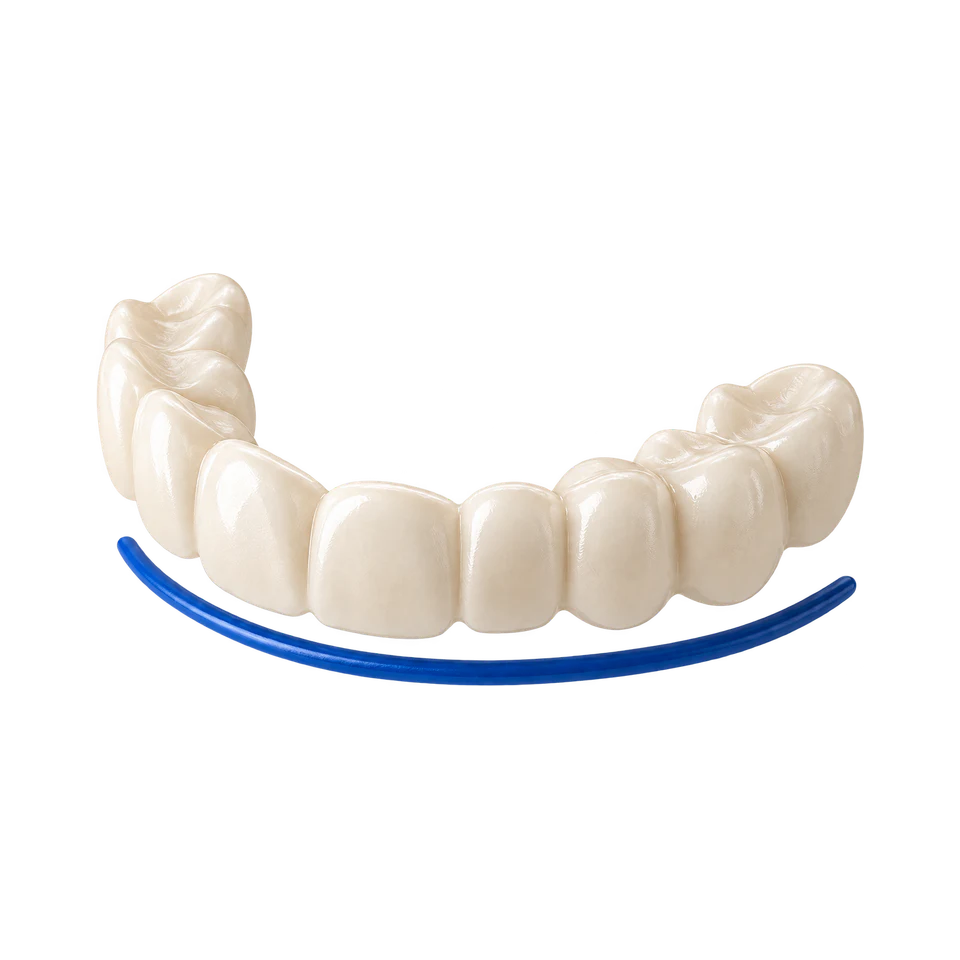
This information is general. It cannot establish whether this care is right for you, replace an examination or predict an individual result.
Reviewed by Dr Fabio Cunha, .
Key points
- A removable prosthesis can replace some teeth or all teeth in an arch.
- The assessment considers remaining teeth, gums, supporting tissues, function and cleaning.
- Depending on the situation, removable prostheses can be compared with bridges or implant-supported options.
- Adjustment, hygiene and follow-up remain important after fitting.
Understanding prostheses
A partial removable prosthesis replaces some missing teeth; a complete one replaces all teeth in an arch. The way it is supported and retained varies with the remaining teeth and tissues.
The assessment
The dentist examines remaining teeth, gums and supporting tissues, as well as chewing, speech and your priorities. Existing restorations and the ability to clean the proposed prosthesis are part of planning.
Comparing solutions
A removable prosthesis, bridge or implant-supported restoration may answer different needs. Each involves different supports, maintenance and limitations. The most suitable option requires an individual discussion.
Fitting stages
The plan may involve impressions or scans, trials, adjustments and a final fitting. Further adjustments can be needed as you get used to the prosthesis. The exact sequence depends on the case.
Adaptation and care
Speaking and eating may feel different at first. Follow the cleaning and storage instructions given for your prosthesis and keep follow-up appointments. Contact the practice if it rubs, becomes loose or breaks.
Costs and next steps
The price depends on the design, materials, supports and any preparatory care. Ask for a personalised quotation including follow-up and possible adjustments.
Choosing and caring for a dental prosthesis: common questions
What is the difference between a partial and complete denture?
A partial denture replaces some teeth; a complete denture replaces all teeth in one arch.
How long does it take to get used to a denture?
Adaptation varies. Reviews and adjustments may be needed after fitting.
Should I sleep with my denture in?
Follow the advice given for your specific prosthesis and oral tissues.
How should I clean a removable denture?
Use the method recommended for its materials and clean your mouth and remaining teeth as advised.
Can I use denture adhesive?
Discuss poor fit with your dentist before relying on adhesive.
What if my denture breaks?
Contact the practice for repair advice; do not try to glue it yourself.
How much does a dental prosthesis cost in Switzerland?
The price depends on the chosen design and preparatory care. Request a personalised quotation.
General medical sources
Information specific to your situation is provided during your consultation.
- Société suisse des médecins-dentistes SSO, Méthodes de traitement dentaire
- SSO, Lignes directrices relatives à la qualité en prothèse amovible
- NHS, Dentures
- Office fédéral de la santé publique, Soins dentaires
Sources listed on the corresponding French page.
Let’s get acquainted.
Choose an appointment online or contact reception.
Discussing
Dental prosthetics
Have a question about this care? The practice welcomes you in Chêne-Bougeries, by appointment.
Contact and directionsVisiting the practice
Parking is available at the practice. Call reception at the barrier to access the car park.
Get directions